What If Your Home Could Help You Fall in Love with Music All Over Again?
Have you ever felt too tired after work to scroll through playlists? Or wished you could share the joy of music with your family in a simple, meaningful way? Smart music systems aren’t just for audiophiles—they’re quiet companions that can spark joy, calm chaos, and help you rediscover a forgotten hobby. Let’s explore how something as simple as sound can gently enrich your daily life. It’s not about high-tech wizardry or complicated setups. It’s about bringing warmth back into your home, one song at a time. And honestly? You don’t need to be a music expert or a tech whiz to make it happen.
The Moment Music Faded (And Why It Matters)
Remember when music used to follow you through the day? Maybe it was the album you played on repeat during college, the lullaby you hummed to your baby, or the road trip playlist that made hours fly by. Back then, music wasn’t something you had to think about—it just happened. But now, life feels different. You come home after a long day, juggling grocery bags, school updates, and unanswered emails. The last thing you want is to tap through ten screens just to hear one soothing song. So, you don’t. And slowly, music slips away.
It’s not just about missing your favorite tunes. That quiet absence affects more than you realize. Music connects us to our emotions, our memories, and each other. It’s been part of human life for centuries—not as decoration, but as comfort, celebration, and healing. When we stop listening, we lose a subtle but powerful source of emotional balance. Think about the last time a song brought tears to your eyes or made you smile out of nowhere. That’s not just nostalgia. That’s your heart remembering something words can’t say.
And for many of us, especially women in the middle seasons of life, emotional balance isn’t a luxury—it’s a necessity. You’re managing households, supporting families, maybe caring for aging parents or guiding teens through tough times. Your energy is stretched thin. But here’s the good news: you don’t have to reclaim music by overhauling your routine or becoming a concertgoer. You can invite it back in small, gentle ways. And the easiest way to start? Let your home do the work for you.
Meet Your New Sound Companion: What Is a Smart Music System?
If the phrase “smart music system” makes you think of complicated gadgets or geeky setups, let’s clear that up right away. It’s actually much simpler than it sounds. At its core, a smart music system is usually just a speaker—sometimes small enough to fit on your kitchen counter—that connects to the internet and listens to your voice. You say something like, “Play calming music,” and within seconds, your favorite instrumental playlist begins to flow through the room.
These devices, like smart speakers from well-known brands, use voice assistants such as Alexa or Google Assistant. You don’t need to touch a screen or remember passwords. Just speak naturally, like you would to a friend. “Play something cheerful” or “Turn on the jazz playlist” is all it takes. Behind the scenes, the speaker connects to music services you already know—Spotify, Apple Music, or even free options like YouTube Music—so you’re not locked into anything new or unfamiliar.
Think of it as upgrading from a manual typewriter to a computer. Back in the day, playing music meant digging out CDs, setting up the stereo, or spending ages searching for the right song on your phone. Now, it’s instant. No more fumbling with apps while you’re chopping onions or trying to get the kids settled. The technology isn’t flashy or loud—it’s quiet, helpful, and always ready. And the best part? It doesn’t demand anything from you. You don’t have to learn a new skill. You just have to say the words.
Many people worry these devices are always “listening,” but that’s a common misunderstanding. Your speaker only starts processing when it hears its wake word—like “Alexa” or “Hey Google.” Before that, it’s not recording or storing anything. You’re in control. You can turn off the microphone anytime with the press of a button. It’s designed to serve you, not spy on you. And if you’re still unsure, you can start with just one speaker in a shared space, like the kitchen, and see how it feels.
How It Fits Into Real Life: Mornings, Mealtimes, and Quiet Evenings
Let’s picture your typical morning. The alarm goes off. You hit snooze. Then another. Finally, you drag yourself up, already feeling behind. The kids are half-dressed, the dog needs walking, and the coffee isn’t ready. It’s chaos before the day even starts. Now, imagine this instead: your alarm doesn’t beep. It plays soft piano music, slowly increasing in volume. You wake up to the sound of a favorite song from your youth—something that makes you smile before your feet even hit the floor.
This isn’t fantasy. It’s something you can set up in minutes. Smart speakers can replace harsh alarms with gentle wake-up playlists. You can choose the volume, the song, even the lighting if you have smart bulbs. And because it’s automatic, you don’t have to remember anything. You just sleep, and your home takes care of the rest.
Now, shift to dinner time. You’re in the kitchen, stirring a pot, wiping counters, trying to keep the peace between siblings. The house feels loud, but not in a good way. Instead of silence or TV noise, what if you heard the mellow strum of acoustic guitar? Or a playlist of classic soul songs that make you want to sway while you stir? With a simple voice command, you can set the mood in seconds. “Play dinner music,” and suddenly, the energy in the room shifts. It’s not just background noise—it’s atmosphere.
And evenings? That’s when many of us finally exhale. You’ve done the laundry, helped with homework, answered texts from your sister. Now, you just want to sit. Maybe with a cup of tea, maybe with a book. This is the perfect moment for quiet music—something instrumental, something slow. You don’t have to search for it. You can say, “Play relaxing music,” and let the sound carry you into stillness. No decisions. No screens. Just peace.
Rediscovering a Hobby Without Pressure
So many women I’ve talked to say they miss music—but not in a dramatic way. It’s more like a quiet ache. They used to love singing along to the radio, or learning guitar chords, or going to concerts with friends. But life got busy, and music became another thing they “should” do but never do. The idea of diving back in feels overwhelming. Where would you even start? What playlist? What app? What genre?
Here’s where smart music systems quietly shine. They don’t ask you to commit. You don’t have to create a perfect playlist or learn a new instrument. You just have to be curious. Most of these devices come with built-in suggestions—like “Songs to Relax To,” “Upbeat Pop Hits,” or “Timeless Love Songs.” You can explore without pressure. “Play something from the 90s,” you say, and suddenly, you’re smiling at the sound of a band you hadn’t thought about in years.
And because the system learns a little over time—based on what you skip or replay—it starts to feel like a thoughtful friend. It doesn’t judge if you love cheesy ballads or old country tunes. It just offers more of what brings you joy. You might start by asking for “happy music,” and end up discovering a whole new artist you’d never heard of. Or you might say, “Play songs from my childhood,” and find yourself humming along to melodies you thought you’d forgotten.
The beauty is in the ease. You’re not setting aside hours to curate playlists or learn music theory. You’re just letting sound come into your life again—softly, naturally. And that small act can reignite something deeper: a sense of play, of beauty, of personal joy that isn’t tied to productivity or duty. You’re not just a mom, a wife, a worker. You’re also someone who loves music. And that part of you still matters.
Sharing Sound Across Generations
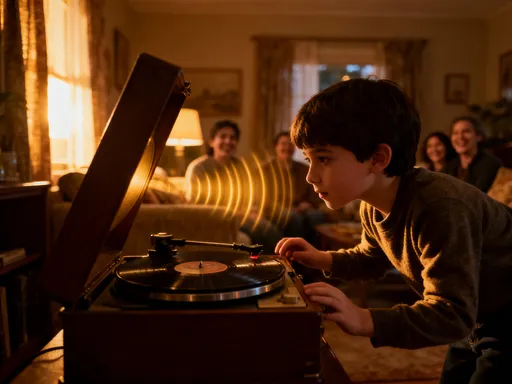
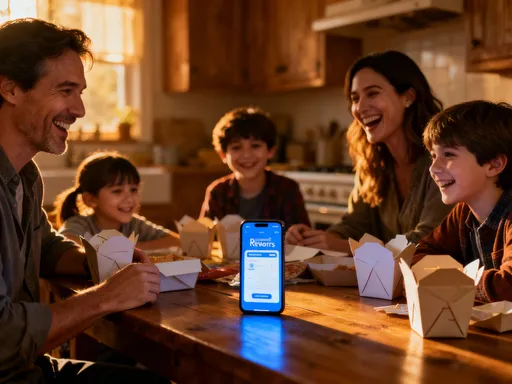
One of the most touching things about smart music systems is how they bring families together—without anyone even trying. It’s not about forcing quality time or planning elaborate activities. It’s about those small, unplanned moments when a song comes on, and suddenly, everyone is listening.
Imagine this: your eight-year-old walks into the kitchen and says, “Mom, what’s that song?” You realize it’s a track from a musical you loved in college. “That’s from Les Misérables,” you say. “Want to hear more?” You ask the speaker to play the full soundtrack, and now your child is singing along to “Do You Hear the People Sing?” in their own made-up way. It’s not perfect. It’s not planned. But it’s connection.
Or picture your parents visiting. They’re sitting in the living room, and you say, “Let’s hear some classics.” You ask the speaker to play “old jazz standards,” and within seconds, Ella Fitzgerald’s voice fills the room. Your mom closes her eyes and smiles. “I danced to this with your dad,” she says. No one says much after that. You just listen. And in that silence, there’s love.
These moments happen because music is a language everyone understands—even when words fail. A child might not know how to express affection, but they’ll ask, “Can we play the Frozen songs again?” A teenager might seem distant, but they’ll light up when their favorite band comes on. And you? You might not always know how to say, “I’m proud of you” or “I miss you,” but you can play a song that says it for you.
Try saying, “Play songs from when I was little,” and see what comes up. Or ask your kids to request a tune from their favorite show. These simple interactions become tiny rituals of togetherness. You’re not just sharing music—you’re sharing pieces of your lives.
Getting Started: Simple Steps for First-Time Users
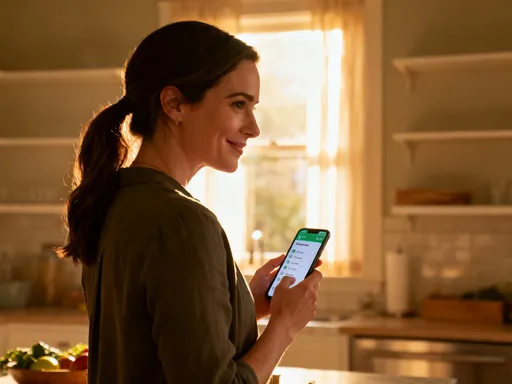
If you’ve never used a smart speaker before, I get it. The idea of setting up a new device can feel like one more thing on your to-do list. But here’s the truth: it’s easier than making a smoothie. Most speakers come in a small box, with a power cord and a quick start guide. You plug it in, download a free app on your phone (most people already have one), and follow three simple steps: connect to Wi-Fi, choose your music service, and say your first command.
You don’t need to spend a lot, either. There are reliable, well-reviewed options at prices lower than a nice handbag. And you don’t have to buy multiple speakers at once. Start with one—place it in your kitchen or living room—and see how you like it. If you love it, you can add more later.
Once it’s set up, try these simple voice commands to get started: “Play morning music.” “Turn on the classical playlist.” “Play something happy.” “Pause the music.” “Volume up.” You’ll be surprised how quickly it feels natural.
You can also create routines. For example, you might say, “Every weekday at 7 a.m., play soft music and turn on the kitchen light.” Or, “When I say ‘Dinner is ready,’ play jazz for 30 minutes.” These little automations make your home feel more supportive, like it’s helping you take care of yourself and your family.
And if you ever feel stuck, remember: you’re not alone. Millions of people use these devices, and most of them aren’t tech experts. There are free online tutorials, customer support lines, and even YouTube videos that walk you through every step. You don’t have to figure it all out at once. Just start with one song. One moment. One “play” command. That’s enough.
Beyond Playlists: Music as a Daily Ritual for Calm and Joy
At the end of the day, this isn’t really about technology. It’s about what music gives us—comfort, memory, joy, connection. A smart music system is just a tool, like a good knife in the kitchen or a cozy blanket on the couch. It doesn’t replace the human heart. It simply makes space for it to breathe.
When you wake up to music instead of an alarm, you’re choosing gentleness over urgency. When you play a lullaby for your child—or for yourself—you’re offering a moment of peace in a noisy world. When you share a song from your past, you’re passing down a piece of your story. These aren’t small things. They’re quiet acts of love.
And for you—the woman who holds so much together—this is a way to give back to yourself. You don’t have to earn the right to enjoy music. You don’t have to wait until the house is clean or the kids are older. You can press play right now. You can say, “Play my favorite songs,” and let the sound wrap around you like a hug.
Let your home become a place where music lives again. Not perfectly. Not loudly. But steadily, softly, like a heartbeat. Let it remind you of who you were, who you are, and who you still want to be. Because you deserve moments of beauty. You deserve to feel joy, even in the small things. And sometimes, all it takes is one song to bring you back to yourself.