Tired of Wasting Commute Time on Returns? This Smart Trick Turned My Travel Hours into Savings
We’ve all been there—clutching a coffee, stuck in traffic or crammed on a train, watching the minutes tick by while dreading the post-work errands. What if that dead time could actually work for you? I used to hate handling online returns, especially after a long day. But when I started using my commute smarter, something shifted. No more back-and-forth trips, no more stress. Just simple, seamless swaps—while I sipped my tea and scrolled through updates. Let me show you how a small tech-powered change made my daily journey feel productive, peaceful, and surprisingly satisfying.
The Commute That Used to Drain Me (And Probably You Too)
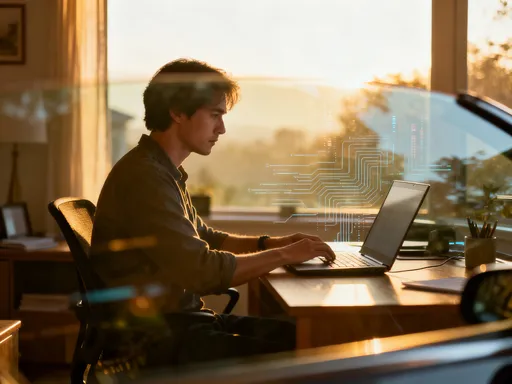
For years, I treated my commute like a necessary evil. It was that gap between home and work—sometimes 30 minutes, sometimes over an hour—where I’d zone out, scroll through social media, or just stare out the window, mentally preparing for the day ahead. But honestly? I’d often arrive at my desk already tired. And the reverse was true in the evenings: by the time I got home, I had zero energy left for anything beyond dinner and collapsing on the couch. That daily transition, meant to separate work from family time, had become a mental drain instead of a buffer.
It wasn’t just the physical tiredness—it was the mental clutter. I’d run through my to-do list in my head: Did I reply to that email? Is the school permission slip signed? What’s for dinner tomorrow? And always, lurking in the background: the growing pile of online returns I kept meaning to drop off. I’d tuck the packages by the door, tell myself, I’ll do it this weekend, and then… life happened. Soccer practice, grocery shopping, a last-minute family dinner. Before I knew it, the same items were still sitting there, mocking me from behind the coat rack.
What I didn’t realize at the time was that this wasn’t just about being busy. It was about how I was using—or more accurately, wasting—those in-between moments. I was letting valuable time slip through my fingers, and the guilt of unfinished tasks was piling up along with the unreturned sweaters. The real cost wasn’t just the minutes lost; it was the peace of mind I was giving up every single day.
When Returns Became My Breaking Point
The turning point came on a rainy Thursday evening. I’d had a long day at work, the kind where every meeting ran late and my inbox seemed to grow faster than I could shrink it. All I wanted was to get home, change into something comfortable, and spend time with my kids before bedtime. But I remembered—oh right, the return. I’d promised myself I’d drop off that dress I ordered online. It didn’t fit, and my daughter had already claimed the shipping label as scrap paper for her art project.
So I drove to the drop-off location near the mall, only to find it closed. Not just closed—permanently. Apparently, they’d changed hours last month, and I hadn’t noticed. I sat in my car, rain tapping on the roof, holding a package I’d already driven 20 minutes out of my way for. And that’s when it hit me: this was the third return trip I’d made that week. Three separate journeys, each eating up precious time, each ending in frustration. One missed because I forgot the label. Another because the box was too big. And now this—driving in the rain for nothing.
I started to wonder: how many hours had I lost to this? How much mental energy had I spent juggling returns like they were some secret second job? Online shopping was supposed to make life easier. Free shipping, fast delivery, endless choices—what could be better? But the convenience had a hidden cost: the time and stress of managing what I didn’t want. I wasn’t just returning clothes. I was returning my peace of mind, one failed drop-off at a time.
How Technology Quietly Changed Everything
That rainy night was my wake-up call. I decided there had to be a better way. Not just for returns, but for how I used my time. I started researching—quietly at first, during my morning coffee. I wasn’t looking for a full life overhaul. I just wanted to stop feeling defeated by a package.
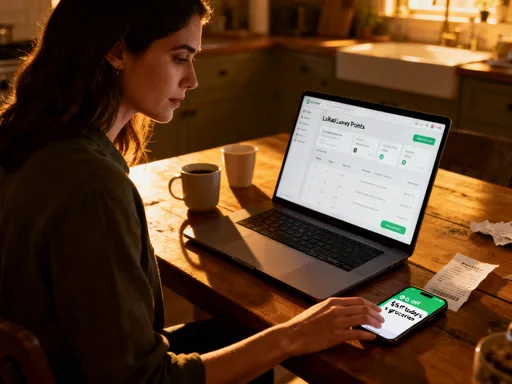
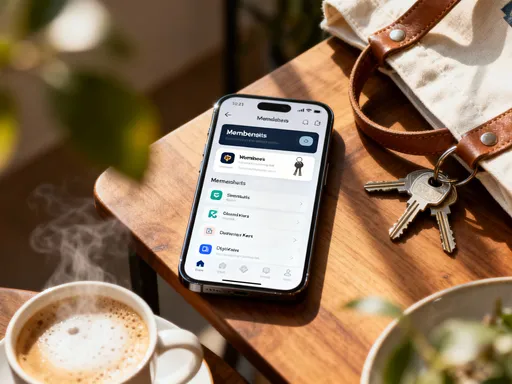
What I discovered surprised me. There were apps—real, simple, free apps—that could sync with my shopping accounts and automatically organize my returns. One even pulled in all my recent orders and highlighted which ones had return windows closing soon. Another could generate and store return labels digitally, so I’d never forget one again. But the real game-changer? The ones that showed me drop-off locations along my commute. Not across town. Not at some random locker I’d never find. But at places I already passed every day—a pharmacy, a grocery store, a coffee shop.
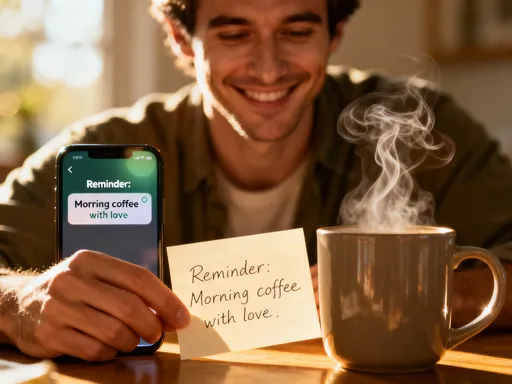
I started small. I downloaded one app and connected it to my main shopping account. The first time it sent me a notification—“Your return window for the navy blouse closes in 3 days. Drop-off point: 0.2 miles from your train station.”—I almost didn’t believe it. But I tried it. I pulled up the digital label on my phone, walked two minutes off the platform, handed the package to a smiling clerk, and kept going home. No detour. No extra time. No stress.
That tiny moment changed everything. I realized the tech wasn’t asking me to do more. It was helping me do what I already needed to do—just smarter. My phone, which I used anyway during my commute, became a quiet partner in getting things done. No shouting. No nagging. Just gentle reminders and seamless coordination. It wasn’t magic. It was just tech finally working with my life, not against it.
Turning Transit Time into Task Time—Without the Stress
Now, my commute feels different. I don’t dread it. In fact, I kind of look forward to it. It’s become my personal planning window—the time when I catch up on what needs attention, without the pressure of being at home or at work. And returns? They’re no longer a chore. They’re just part of the flow.
Here’s how it works now: on Sunday nights, I do a quick review. I go through my recent orders, decide what’s staying and what’s going back, and schedule the returns using the app. The labels print at home with my regular weekly prep—next to the grocery list and the kids’ lunch menus. I fold them and tuck them into my bag. Easy.
Then, during the week, as I’m riding the train or sitting in traffic, I check the app. It tells me when I’m near a drop-off point. Some days, it’s a simple tap: “Drop here?” Yes. Done. Other days, I use voice notes to remind myself: “Return kids’ rain boots—size too small. Drop at CVS on the way home Thursday.” It feels effortless because it is effortless. I’m not adding tasks to my day. I’m just using time I already had.
And here’s the thing I didn’t expect: it’s not just about returns. Once I saw how well this worked, I started applying the same mindset to other small tasks. I use the time to reorder household staples, check school announcements, or even plan next week’s meals. My commute became a pocket of productivity—not because I’m doing more, but because I’m doing things while I’m already in motion. It’s like turning dead time into living time.
Real Life Wins: More Space, Less Clutter, Better Choices
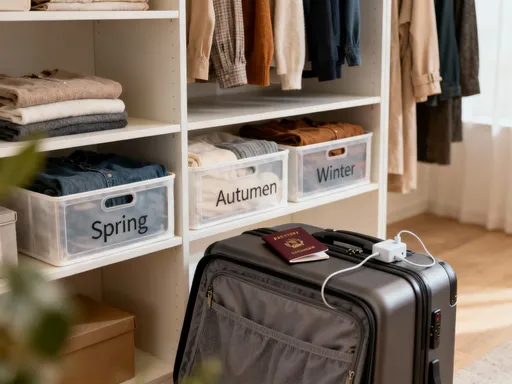
The impact went far beyond just getting packages returned. As the process got easier, I started being more intentional about what I kept in the first place. Before, I’d order multiple sizes or styles, thinking, I’ll just return what doesn’t work. But because returns were such a hassle, I’d often keep things I didn’t love—just to avoid the trip. My closet was full of “almost right” items. My drawers overflowed with things I never wore.
But now? I’m bolder. I try things I wouldn’t have before—different cuts, bolder colors, new brands—because I know returning them is no big deal. And when something doesn’t fit or feel right, I let it go quickly. No guilt. No delay. The result? My wardrobe feels lighter, more curated, more me. And that clarity spilled over into other areas. I started donating old clothes more often. I became more mindful about what I brought into the house. I even taught my teens to use the app for their own returns—yes, it works for sneakers and hoodies too.
There’s a quiet satisfaction in closing the loop on a purchase. It’s not just about sending something back. It’s about making space—physically and mentally. And doing it without extra effort? That feels like a win. I’ve reclaimed not just time, but energy. My home feels less cluttered. My mind feels less weighed down. And honestly, I’ve even saved money, because I’m more thoughtful about what I buy when I know returns are easy.
Building a Smarter Routine, One Trip at a Time
Let me be clear: I’m not perfect. Some days, I still forget a label. Or I misjudge how long a return window is. Or I get caught in the rain again. But here’s the beauty of this system—it’s forgiving. The apps update in real time. If a drop-off point closes, they redirect me to the next closest one. If I miss a window, they help me contact customer service right from the screen. It’s not about getting everything right. It’s about making it easier to get things mostly right, most of the time.
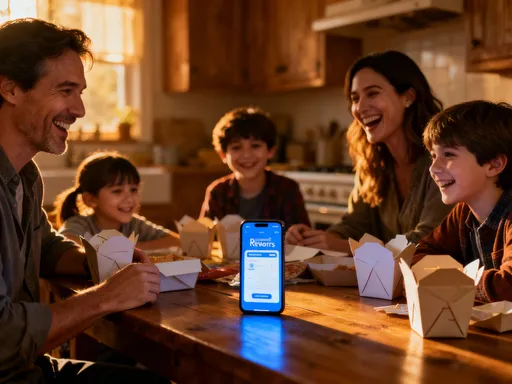
Over the months, I’ve layered in small habits that make it even smoother. I schedule my return review for Sunday evenings—same time I plan meals and pack lunches. I keep a small return kit in my bag: tape, scissors, and a reusable shipping envelope. I use voice-to-text to jot down items as I notice them during the week. And I’ve taught my family to do the same. Now, my daughter will say, “Mom, my jacket’s too small. Can we send it back on the app?” And we do—right then and there, while we’re folding laundry.
The tech helps, but the real change came from a shift in mindset. I stopped seeing my commute as lost time and started seeing it as an opportunity. Not a big, dramatic overhaul. Just small, consistent actions that add up. And the more I trusted the system, the more I enjoyed the process. I’m not just getting returns done. I’m building a life that feels more in control—one small win at a time.
Reclaiming Time, One Return at a Time
Looking back, I realize this wasn’t really about returns at all. It was about how I use the in-between moments—the transitions, the gaps, the time I used to write off as not real time. But those moments matter. They shape how we feel when we get home. They affect our energy, our mood, our ability to be present with the people we love.
By aligning small tasks like returns with my existing routine, I’ve turned friction into flow. I’ve taken something that used to drain me and made it work for me. And the ripple effects have been real: less clutter, better decisions, more confidence in my choices. I’ve even started using this same approach for other seasonal tasks—like switching out winter gear or updating school supplies. If it can be done in transit, it probably should be.
If you’re reading this and thinking, That sounds nice, but I could never make time for that—I get it. I used to think the same. I was convinced I didn’t have the time, the energy, or the tech skills. But this isn’t about being perfect. It’s about starting small. It’s about using the tools that already exist in a way that serves your life—not the other way around.
So the next time you’re on your way home, before you pull out your phone to scroll, ask yourself: what small thing could I do right now that would make tomorrow easier? Maybe it’s checking a return window. Maybe it’s sending a quick note to reorder paper towels. Maybe it’s just pausing to appreciate that you’re not stuck—you’re moving. And movement, even when it’s just from point A to point B, can be powerful. Because when we use it wisely, it’s not just getting us somewhere. It’s getting us back to ourselves.