From Overwhelmed to Effortless: How Online Learning Platforms Finally Fit Into Real Life
Balancing work, family, and personal growth often feels impossible. You want to learn, but who has time? I felt the same—until I discovered how online learning platforms can quietly adapt to my life instead of disrupting it. It’s not about more hours; it’s about smarter rhythms. This is how I stopped forcing habits and started living them—naturally, gently, and with real progress. No more guilt for skipping study sessions. No more frustration when plans fall apart. Just small, meaningful moments of learning woven into the days I already live. And honestly? It’s changed everything.
The Myth of the Perfect Study Routine
We’ve all been there—determined on a Sunday night to start fresh, carving out that perfect hour in the morning to learn something new. Maybe it was a language, a new software, or even just better cooking techniques. You imagined yourself sipping tea, focused and calm, growing bit by bit before the chaos of the day began. But by Tuesday, the alarm gets ignored. By Thursday, the kids overslept. By Friday, a work emergency swallowed your quiet time whole. And just like that, the plan collapses. Again. If this sounds familiar, you’re not failing—you’re human. The real problem isn’t your discipline. It’s the myth that learning has to follow a rigid, idealized schedule. Life doesn’t work that way. It’s messy, unpredictable, and beautifully irregular. So why do we keep trying to force our growth into a box that doesn’t fit?
Here’s the truth: online learning platforms were never meant to replace our lives—they were meant to live inside them. The best ones don’t ask you to rearrange your entire day. Instead, they offer flexibility as a core feature. You don’t have to log in at 7 a.m. or finish a full lesson in one sitting. You can pause, resume, skip ahead, or replay—on your terms. I used to think I needed perfect conditions to learn: quiet room, full attention, no distractions. But that mindset only led to guilt when reality didn’t cooperate. Once I let go of that, everything changed. I stopped seeing missed sessions as failures and started seeing them as part of a bigger rhythm. Some days I’d watch a five-minute video while waiting for the oven to preheat. Other days, I’d listen to a lesson during a walk with the dog. The platform didn’t judge. It just waited, ready when I was.
This shift—from perfection to presence—was everything. I realized I wasn’t lazy. I was just trying to fit a square peg into a round hole. Once I accepted that my life wouldn’t slow down, I stopped fighting it. Instead, I started working with it. And that’s when real progress began. The platforms that understand this—ones that let you move at your own pace, access content across devices, and track progress without pressure—are the ones that actually stick. They don’t demand your time. They respect it. And that respect makes all the difference.
Small Moments, Big Progress
One of the most freeing realizations I’ve had is this: learning doesn’t need big blocks of time. It thrives in the small, forgotten moments we all have. Think about it—how many times a day do you wait? For the coffee to brew. For the kids to finish brushing their teeth. For the microwave to ding. These aren’t empty spaces. They’re opportunities. And online learning platforms turn them into progress. I started small—really small. Just one five-minute lesson a day. I’d open the app while folding laundry or waiting for the school bus. No pressure. No agenda. Just a tiny bit of input. At first, it felt almost too easy. Could this really count? But over time, something shifted. I began to recognize words from the language course I was taking. I remembered tips from a nutrition class. I even started using new phrases in real conversations. The momentum built quietly, almost invisibly.
What made this possible was how these platforms are designed for micro-learning. Instead of long lectures, many now break content into bite-sized modules—three minutes here, seven minutes there. Some even offer audio-only versions, so you can listen while cooking, driving, or folding clothes. I downloaded lessons to my phone so I could access them offline—no Wi-Fi needed. That meant I could learn during commutes or in waiting rooms without worrying about data or connection. One week, I listened to a full beginner module while doing household chores. I wasn’t sitting at a desk. I wasn’t taking notes. But I was learning. And that’s the beauty of it—learning doesn’t have to look a certain way to be real.
The real power of these small moments isn’t just in the knowledge you gain. It’s in the confidence you build. Every time I completed a short lesson, I felt a little more capable. Not because I’d mastered a subject, but because I’d shown up. I’d chosen growth, even in the middle of a busy day. That consistency—tiny but steady—started to change how I saw myself. I wasn’t someone who “tried to learn but never had time.” I was someone who made time, even if it was just five minutes. And that identity shift made all the difference. The platform didn’t change. My mindset did. And suddenly, progress wasn’t something I chased. It was something I lived.
Syncing Learning With Your Natural Rhythms
We’ve been taught that early risers are the most productive. That if you’re not up by 5:30 a.m. with a plan for the day, you’re already behind. But here’s a secret: not everyone thrives in the morning. Some of us come alive in the evening. Others have a burst of focus in the late afternoon. I used to force myself to study in the morning because I thought that’s what “serious learners” did. But I was tired, distracted, and honestly, a little resentful. No wonder I kept quitting. It wasn’t until I started paying attention to my natural energy patterns that things clicked. I noticed that after dinner, once the house was quiet, my mind felt clearer. That’s when I could focus without distractions. So I moved my learning to that window. Just 15 to 20 minutes, three times a week. And the difference was immediate.
Online learning platforms make this kind of personalization possible. You’re not locked into someone else’s schedule. You can choose when—and how— you engage. Some platforms even let you set your preferred learning times and adjust recommendations based on your activity. I started using one that sends gentle suggestions based on when I’m most active. It learned that I usually log in between 8 and 9 p.m. and began offering shorter, review-style content during that time. It felt like the platform was working with me, not against me. That kind of smart design removes friction. You’re not fighting your biology. You’re aligning with it.
One of the most impactful changes I made was shifting my weekly goal check-in to Sunday evenings. Before, I’d try to plan everything on Sunday morning, rushing through breakfast while juggling kids’ schedules. I’d set big goals, feel motivated for a day, then forget them by Wednesday. Now, I light a candle, pour a cup of tea, and spend 10 minutes reviewing what I learned and setting one small intention for the week. Because I’m calm and present, the plan actually sticks. I’m not just going through the motions. I’m reflecting, adjusting, and committing—on my own terms. This isn’t about productivity hacks. It’s about honoring how you naturally move through the day. When learning syncs with your rhythm, it doesn’t feel like a chore. It feels like a part of you.
Making Learning a Seamless Part of Daily Rituals
Habits are easier to keep when they’re attached to something you already do. That’s the secret of seamless learning. Instead of adding another task to your to-do list, you weave it into rituals you’ve already built. Think about your day. What are the things you do without thinking? Making coffee. Eating lunch. Commuting. Getting ready for bed. These moments are automatic—and that’s exactly what makes them powerful. I started pairing my learning with lunch. Every day, while I ate, I’d watch one short video. No multitasking with emails or scrolling. Just food and learning. At first, it felt strange. But within a week, it became natural. Now, if I eat without a lesson, it feels like something’s missing.
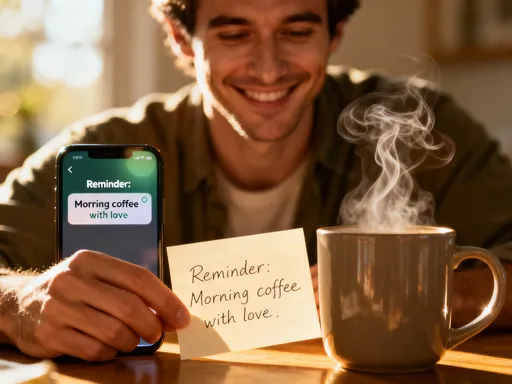
Another friend of mine ties her weekly skill check-in to her Sunday coffee ritual. She doesn’t set reminders or alarms. She just knows that her morning coffee is when she reviews what she learned and plans what’s next. It’s become a comforting, grounding part of her week. The platform doesn’t have to remind her—her routine does. This kind of integration removes decision fatigue. You’re not asking yourself, “Should I study today?” You’re simply following a rhythm you’ve already built. I also started using a mindfulness app that includes short educational lessons before bedtime. Five minutes of gentle voice guidance on topics like emotional intelligence or stress management. It helps me wind down while still growing. It’s not extra. It’s a upgrade to a moment I already had.
The key is to pick a ritual that’s stable—one that doesn’t change from week to week. For me, it’s folding laundry. I have a playlist of audio lessons I rotate through. I don’t have to think about it. I press play, and learning happens in the background. It’s not intense. It’s not demanding. But it’s consistent. And consistency, not intensity, is what leads to real change. These platforms aren’t just delivering content. They’re helping us build lives that grow quietly, steadily, without burnout. When learning becomes part of your flow, it stops feeling like work. It starts feeling like self-care.
Using Smart Reminders Without the Pressure
Let’s talk about notifications. We’ve all been there—ping after ping, demanding attention, adding to the mental load. But reminders don’t have to feel like nagging. The right online learning platform uses them as gentle nudges, not guilt trips. I used to dread notifications because they made me feel behind. Then I discovered a platform that asks, “What’s one thing you’d like to learn today?” instead of saying, “You missed your lesson.” Huge difference. One feels like a conversation. The other feels like a reprimand. I switched to a “daily nudge” setting that sends a kind, open-ended message in the mid-morning—after the kids are at school and before the afternoon rush. It’s not pushy. It’s inviting.
I also customize when I get reminders. I don’t want them during drop-off or right after dinner when I’m helping with homework. I set them for low-stress times—mid-morning, late afternoon, or after the kids go to bed. That way, they feel supportive, not disruptive. Some platforms even let you choose the tone of the message. I picked “encouraging” instead of “urgent.” It might sound small, but it changes how I respond. Instead of feeling guilty, I feel reminded—like a friend is gently saying, “Hey, you’ve got this.” That shift in tone makes a big difference in long-term consistency.
Another feature I love is progress-based reminders. Instead of a daily alarm, the platform sends a message when I’m close to completing a module or when I’ve gone a few days without logging in. It’s not about shame. It’s about momentum. One time, I got a message that said, “You’re 80% through this course—want to finish strong?” I paused, thought about it, and ended up completing the last lesson that night. It wasn’t because I was forced. It was because I was invited. These small design choices—tone, timing, intent—turn a simple notification into a tool for encouragement. And that’s what keeps me coming back, not because I have to, but because I want to.
Celebrating Progress, Not Perfection
We’ve been trained to measure success by completion. Finish the course. Pass the test. Get the certificate. But real growth isn’t linear. Some days you’re focused. Others, you’re just surviving. Traditional education doesn’t reward effort—it rewards results. But online learning platforms that track small wins help you see progress even on the messy days. I started celebrating what I call “effort points.” Five minutes of focus. One completed video. A single quiz answered. These aren’t grand achievements. But they’re real. And they add up.
One platform I use gives a small animation and a “Great job!” message every time I finish a lesson—no matter how short. At first, I thought it was silly. But over time, those tiny validations built my confidence. I began to look forward to them. They weren’t about perfection. They were about showing up. That mindset shift—from “I should be doing more” to “I’m proud I did something”—was transformative. I stopped comparing myself to others. I stopped feeling behind. I started honoring my own pace.
And here’s what happened: the more I celebrated small wins, the more consistent I became. Because I wasn’t waiting for a big milestone to feel good, I could feel good every day. That positive feedback loop made learning something I looked forward to, not something I avoided. I wasn’t chasing perfection. I was building a habit of growth. And that’s far more powerful. These platforms don’t just teach skills. They teach self-compassion. They remind you that progress isn’t about how fast you go. It’s about whether you keep going. And that’s a lesson worth learning.
Building a Life That Grows With You
When learning fits into your life without friction, it stops being a separate goal and starts becoming part of who you are. Over the past year, I’ve picked up new skills—not because I forced myself, but because the process finally made sense. I learned to cook healthier meals, not through a strict diet plan, but by watching short videos during dinner prep. I improved my confidence in using technology, not by setting aside hours for training, but by listening to lessons while driving. I even started journaling regularly, inspired by a course on emotional well-being. None of it felt like a burden. It felt like growth that matched my pace.
The best technology doesn’t shout for attention. It doesn’t demand your time or guilt you into action. It quietly supports you, adapts to your rhythm, and empowers you to become more—without losing yourself in the process. That’s what these online learning platforms can be when they’re designed with real life in mind. They’re not just tools for knowledge. They’re partners in becoming the person you’ve always wanted to be.
I’m not the same person I was a year ago. I’m calmer. More curious. More confident. Not because I did more, but because I did it in a way that honored my life. I didn’t need more time. I needed a better way. And that’s what these platforms gave me—a way to grow that fits, flows, and feels good. So if you’ve ever thought, “I’d love to learn, but I just don’t have the time,” I get it. But what if it’s not about time? What if it’s about fit? What if the right platform, used the right way, could make learning a natural part of your days? It’s not about adding one more thing. It’s about weaving growth into the life you already live. And that—small step by small step—is how real change happens.