Recorded 300 Voice Memos in 3 Months: How I Finally Stayed Organized Without Trying
Have you ever had a great idea while walking the dog, only to forget it by the time you got home? I’ve been there—dozens of times. That’s why I started using voice memos. At first, it felt messy, even overwhelming. But within weeks, I found a simple rhythm. Now, my phone holds everything: grocery lists, bedtime stories for my kids, work ideas, and even emotional check-ins. It’s not about tech—it’s about peace of mind. What began as a desperate attempt to stop forgetting things turned into one of the most meaningful habits of my life. And the best part? It didn’t require any special skills, expensive tools, or hours of setup. Just a few quiet moments, my phone, and the willingness to speak instead of write.
The Moment I Realized I Needed a Better Way
I remember standing in the cereal aisle, staring at a list I’d scribbled that morning. I knew I was missing something—something important—but my brain was blank. Not just tired. Empty. I’d written down “milk, eggs, bread,” but that wasn’t it. Then it hit me: my son’s teacher had asked for supplies. Construction paper. Glue sticks. I’d heard her say it during drop-off, but by the time I got to the store, it was gone. Vanished. That wasn’t the first time it happened. In fact, it was the third time that week. Between school pickups, work deadlines, doctor appointments, and trying to keep the house from descending into total chaos, my mind felt like a browser with 50 tabs open—all playing different videos at full volume.
That night, after the kids were in bed, I sat on the couch with my phone in my hand. I didn’t want to write another list. I didn’t want to open another app. I just wanted to say it out loud and have it stay said. So I opened the voice memo app—yes, the one that comes with every phone—and pressed record. My voice was shaky at first. “Okay… groceries. Milk, eggs, bread. Construction paper and glue sticks for Noah’s class. Also, call the dentist about Maya’s checkup. And… don’t forget to order more dish soap online.” It was 47 seconds long. Nothing fancy. But when I listened back, I didn’t feel overwhelmed. I felt heard. Like someone—me—was finally paying attention.
That small act changed everything. It wasn’t about being productive. It was about offloading the weight I’d been carrying. I didn’t need a planner with color-coded stickers or a bullet journal that made me feel guilty for not decorating it nicely. I just needed a place to put the things spinning in my head. And for the first time in years, I felt like I could breathe.
Why Voice Memos? The Hidden Power of Speaking Instead of Writing
We’ve all been taught to write things down. School, work, self-help books—they all say the same thing: “Get it on paper.” But here’s what no one talks about: writing takes effort. It slows you down. You have to stop, pull out a notebook, find a pen, and form letters with your hand. Meanwhile, your brilliant thought—about a recipe, a project idea, or a sweet thing your child said—is already slipping away.
Speaking, on the other hand, is instant. It’s how we’ve communicated for thousands of years. Our brains are wired for it. When I record a voice memo while unloading the dishwasher or folding laundry, it feels natural. I don’t have to shift gears. I just talk. And because I’m speaking, my tone, my pauses, even my sighs—they all stay in the recording. That adds context. A written note says “call Mom,” but a voice memo says, “call Mom—she seemed sad when I talked to her yesterday, and I want to check in.” There’s emotion in it. There’s intention.
Science actually backs this up. Studies show that auditory memory—remembering things we hear—is often stronger than visual memory, especially when emotion is involved. When I hear my own voice saying, “This meeting idea could really help my team,” I’m more likely to act on it than if I’d jotted it down in a notebook and forgotten where I put it. Plus, speaking activates different parts of the brain. It’s not just about storing information—it’s about processing it. The moment I say something out loud, it becomes real. It’s no longer just floating in my head. It’s out in the world, waiting for me.
And let’s be honest—sometimes writing feels like homework. But talking? That’s something I do all day anyway. Why not use that same skill to stay organized? I’m not typing a grocery list while one-handed with a toddler on my hip. I’m saying, “We need apples, oat milk, and that gluten-free pasta the kids like,” and getting back to what matters—like not dropping the bananas.
My First Mistakes—and What I Learned
Of course, it wasn’t all smooth sailing. At first, I thought the hard part was remembering to record. But the real challenge came after: listening back. I had over 40 memos in two weeks, most of them titled “Untitled 12” or “Important!!!” Spoiler: none of them were actually important. One was just me breathing into the phone after a long day. Another was a mumbled, “I need to… something about the school form?” I couldn’t even understand myself.
I realized I had three big problems. First, no naming system. I’d record and forget. Second, no routine for listening. I’d tell myself, “I’ll go through them this weekend,” but weekends filled up fast. Third, no plan for action. Even if I listened, I didn’t know what to do next. Was I supposed to write it down again? Email myself? Just hope I remembered?
The turning point came when I missed my sister’s birthday because I’d recorded the date but never reviewed it. I felt awful. Not just because I forgot—though that hurt—but because I’d let a tool meant to help me actually make things worse. That’s when I decided to fix the system, not just keep adding to the chaos.
I started small. First, I began naming my memos right after recording. Instead of “Untitled 13,” I’d say, “Birthday gifts for Sarah” or “Grocery list—Friday trip.” Just a few words, but it made a huge difference. Then, I picked one time each week—Sunday evenings, after the kids were in bed—to listen back. I called it my “review moment.” No distractions. Just me, my headphones, and a glass of tea. And finally, I made a rule: if a memo required action, I’d either do it right then or add it to my calendar. No more floating tasks.
These changes didn’t take much time, but they transformed how I used voice memos. It went from being a digital junk drawer to a trusted system. And that shift wasn’t just practical—it was emotional. I stopped feeling guilty about the recordings I hadn’t listened to. Instead, I felt proud of the ones I had.
How I Built a Simple System That Actually Works
Now, after three months and nearly 300 voice memos, I have a rhythm that fits my life—not the other way around. I don’t use any special apps. No subscriptions. Just the built-in voice memo app on my phone and the calendar that came with it. My system has three parts: capture, review, and act. And each has its own time and purpose.
Capture happens all day. I record when inspiration strikes—whether I’m driving, cooking, or lying in bed at 2 a.m. with a sudden idea. I keep it simple: I state the topic first, then the details. For example, “Work idea—presentation for next week. Start with the customer story, not the data. Add the photo from the team lunch.” This way, even if I don’t name the file, I can still understand it later. I also use timestamps. Most voice memo apps show when you recorded it, so I can sort by date if needed.
Review happens every Sunday night. That’s my sacred time. I plug in my headphones, put on calming music in the background, and go through each memo from the past week. I listen carefully, pausing to reflect. Some I delete right away—like the one where I sang a silly song to calm my crying baby. Others I keep. During this time, I also check if anything needs action. If it does, I move it to the next step.
Act is where things get real. If a memo reminds me to schedule a doctor’s appointment, I do it then. If it’s a gift idea, I add it to my shopping list. If it’s a personal reflection—like “I felt really proud today when I handled that tough conversation”—I save it in a special folder called “Good Days.” This part is key: voice memos aren’t meant to live forever in your phone. They’re meant to move you forward. So I treat them like seeds—plant the good ones, let the rest go.
I also use categories. I don’t label files with complex tags, but I do group them mentally. Family memos—those are for kids, parents, holidays. Work memos—projects, meetings, ideas. Personal—thoughts, dreams, things I want to remember about myself. This helps me stay focused when reviewing. And if I ever need to search, I can just use my phone’s search function and type a keyword. It finds spoken words in the recordings. Magic? No. Just smart design.
Unexpected Gifts: What Voice Memos Gave Me Beyond Productivity
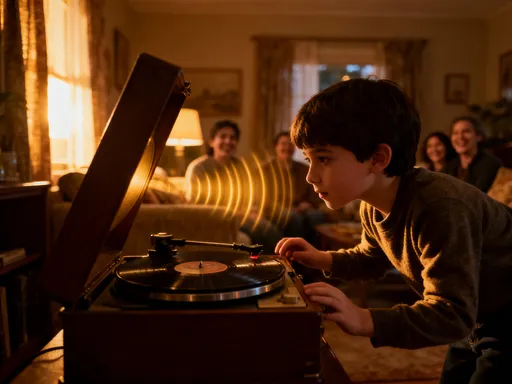
Here’s something I never expected: my voice memos became keepsakes. I thought this was just about staying organized. But one day, I was cleaning my phone and stumbled on a recording from two months ago. It was my daughter, age four, telling me a story about a dragon who loved cupcakes. Her voice was so clear, so full of joy. I played it again. And again. Then I saved it in a new folder: “Kids’ Voices.”
Since then, I’ve collected more. My son’s first full sentence: “I built a rocket ship out of blocks!” My dad’s laugh during a phone call: “You always were a little tornado, weren’t you?” Even my own voice on a hard day: “I’m tired, but I’m doing my best. That has to be enough.” These aren’t tasks. They’re treasures.
I didn’t set out to create a memory archive. But in the act of capturing my life, I preserved its heartbeat. There’s something powerful about hearing your child’s voice from last year, or your own words of encouragement from a time when you felt lost. It’s like time travel. And unlike photos or videos, voice memos feel intimate. They’re not staged. They’re real. They capture not just what was said, but how it was said—the excitement, the hesitation, the love.
Now, I sometimes record just to remember. Before bedtime, I’ll say, “Tonight, Lily said the sky looks like melted ice cream.” Or, “Noah learned to tie his shoes today. He was so proud.” These aren’t for action. They’re for heart. And they’ve become one of my most precious parenting tools—not because they help me organize, but because they help me remember what matters.
Tips for Starting Without Overwhelm
If you’ve never tried voice memos, I get it. It can feel strange at first. Like you’re talking to your phone for no reason. Or like you’re being too casual with something important. Maybe you’re thinking, “What if someone hears it?” Or, “What if I sound silly?” I had all those thoughts too.
Here’s what I’ve learned: start small. Pick one thing—just one—and use voice memos for that. Maybe it’s grocery lists. Maybe it’s ideas for family dinners. Maybe it’s things you want to remember to tell your partner. Keep it simple. Use the app already on your phone. No downloads. No learning curve.
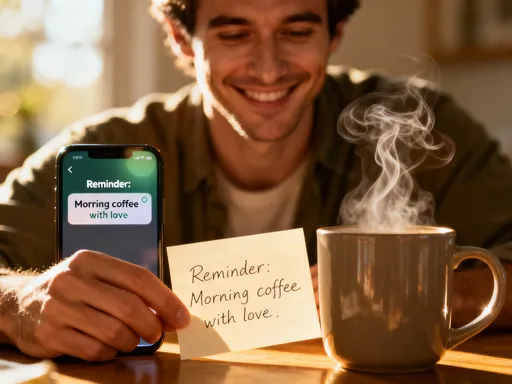
Set a weekly review time. Even five minutes helps. Make it part of something you already do—like your Sunday night tea or your morning coffee. And don’t worry about perfection. Your memos don’t need to be clear, polished, or even complete. They just need to exist. Think of them as whispers to your future self. You don’t have to get it right. You just have to press record.
And if you’re not sure what to say, try this: pretend you’re telling a friend. “Hey, just a quick note—don’t forget to buy more coffee beans. The dark roast is almost gone.” Or, “I had an idea today—what if we took the kids camping next month?” It doesn’t have to be formal. In fact, it’s better if it’s not. This isn’t a podcast. It’s your life, spoken aloud.
One more thing: be kind to yourself. If you miss a week, that’s okay. If you record something and never listen, that’s okay too. The goal isn’t to be perfect. It’s to feel lighter. To stop carrying everything in your head. To give yourself the gift of being heard—even if the only listener is you.
Why This Small Habit Changed My Life More Than Any App Ever Has
After three months of recording voice memos, I can say this with certainty: it changed more than my productivity. It changed my peace of mind. I don’t walk into stores wondering what I forgot. I don’t lie awake at night replaying conversations I should’ve had. I don’t feel guilty for losing ideas before I could act on them. My phone holds the load now. And in return, my mind feels clearer, calmer, more present.
But even deeper than that, this habit helped me reconnect with myself. In a world that’s always rushing, voice memos gave me a place to pause and speak my truth. They reminded me that my thoughts matter—even the messy ones. That my voice has value—even when I’m just talking to myself. And that remembering isn’t just about tasks. It’s about love, growth, and the quiet moments that make life beautiful.
I used to think technology was about speed, efficiency, and doing more. But this experience taught me something different. Real tech value isn’t in how many features it has. It’s in how it helps you live—with more ease, more clarity, and more heart. Voice memos didn’t make me faster. They made me kinder—to myself, to my family, to my time.
So if you’re feeling overwhelmed, if your brain feels too full, if you’re tired of forgetting the things that matter—try this. Press record. Say what’s on your mind. Let your phone hold it for you. You don’t need a perfect system. You don’t need to be tech-savvy. You just need to begin. Because sometimes, the simplest tools—the ones already in your pocket—can give you back the most precious thing of all: your attention, your memory, and your peace.