Tired of Grocery Chaos Before Family Dinner? Here’s How Fresh Produce Delivery Calms the Storm
Ever stood in the kitchen, mid-recipe, only to realize you’re missing fresh veggies—and the kids are already asking, “What’s for dinner?” You’re not alone. Between work, school runs, and meal prep, keeping healthy food at home feels like a constant battle. But what if your weekly produce could arrive fresh, on time, and tailored to your family’s real needs—without the stress? This is where smart grocery tech quietly transforms dinner drama into calm, connected moments. It’s not about replacing home cooking. It’s about giving you back the time, energy, and peace of mind to enjoy it.
The Daily Dinner Dilemma: When Life Gets in the Way of Healthy Eating
Picture this: it’s 5:15 p.m., and you’re standing in front of the fridge, one hand holding a half-chopped onion, the other trying to mute a work email that just pinged. Your youngest is asking for a snack, your oldest needs help with homework, and you suddenly remember—you were supposed to pick up broccoli for the stir-fry. But you didn’t. Again. The mental load of feeding a family doesn’t just live in the kitchen. It starts the moment you wake up, ticking away in the background like a silent alarm: What’s for dinner? Did we run out of milk? Did I remember to defrost the chicken? These small questions pile up, and by evening, they’ve become a full-blown crisis of choices, energy, and guilt.
Most of us want to serve balanced, colorful meals—meals that say, “I care.” But the reality is, time is tight, energy is low, and the grocery store is the last place anyone wants to be after a long day. You drive there tired, push a cart through crowded aisles, and still end up with wilted greens or the wrong kind of apples. Or worse—you skip it altogether and order takeout, telling yourself it’s just this once. But “just this once” becomes a pattern. And over time, that pattern chips away at your confidence. You start to wonder: Am I failing my family by not doing better? The truth is, it’s not about failing. It’s about systems. And right now, your system is working against you.
The emotional weight of feeding your family well is real. It’s tied to love, safety, and care. But when the logistics feel impossible, that love can get buried under frustration. You don’t need more willpower. You need support that fits your life—not one that adds to the load. That’s where technology, when used thoughtfully, steps in not as a replacement for care, but as a quiet helper that makes caring easier.
From Fridge Gaps to Full Tables: How Fresh Produce Platforms Step In
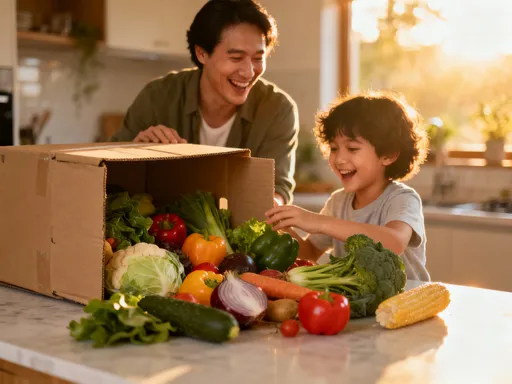
Imagine opening your front door to a sturdy box filled with crisp lettuce, bright bell peppers, fragrant herbs, and just-ripe tomatoes—all sourced from farms that prioritize freshness and quality. No driving. No parking. No decision fatigue in the produce aisle. This isn’t a fantasy. It’s what fresh produce delivery platforms are designed to do: close the gap between what you want for your family and what your schedule allows. These services aren’t just about convenience—they’re about reliability. They show up when you need them, with exactly what you asked for, so you’re never caught off guard by an empty crisper drawer again.
One of the biggest shifts happens in timing. Instead of scrambling on a weekday evening, you can schedule your delivery for Tuesday afternoon—right after school pickup, before the homework rush. The box arrives while you’re still in “mom mode,” not “dinner crisis mode.” You open it with a sense of calm, not panic. And because the produce is harvested at peak freshness and packed to preserve it, you’re not just getting veggies—you’re getting flavor, nutrition, and longevity. That head of lettuce? It lasts a full week. Those berries? Still plump on day six. That means less waste, less guilt, and more meals made from real ingredients.
What’s even more powerful is the consistency. When you know your produce is coming every week, meal planning becomes easier. You start to think ahead: Oh, they’re getting zucchini this week—I’ll make that pasta dish the kids love. Or, Green beans are in the box—perfect for the slow cooker meal on Thursday. This predictability removes one of the biggest sources of stress: the unknown. And when the foundation of your meals is already taken care of, everything else feels lighter. You’re not just feeding your family. You’re feeding your peace of mind.
Cooking Together, Not Just for Them: Turning Delivery into Family Connection
Here’s something I didn’t expect when I first tried produce delivery: my kids got excited about vegetables. Not because I begged them. Not because I hid them in sauce. But because they saw them arrive—fresh, colorful, and full of promise. My daughter started calling the delivery box “the surprise garden.” Every week, she runs to the door when she hears the delivery notification, eager to see what’s inside. “Look, Mom! Carrots with dirt on them! Can we wash them together?” That simple moment—unboxing, exploring, wondering—became a ritual. And slowly, it changed our relationship with food.
Cooking used to feel like a solo mission. I’d chop, stir, and clean while the kids played or watched screens. Now, it’s become a shared activity. Because the ingredients are already there, there’s no last-minute run or substitution panic. That means I have the mental space to invite them in. My son helps tear lettuce for salad. My daughter picks out which herb we’ll use for dinner. Sometimes, I let them choose one new item from the box to try—kohlrabi, radicchio, or purple cauliflower. We look up a recipe together, and suddenly, dinner prep feels like an adventure, not a chore.
This isn’t just about getting kids to eat their greens. It’s about building curiosity, confidence, and connection. When children feel involved in the process, they’re more likely to try new things. And when they see where food comes from—real soil, real farms, real seasons—they develop a deeper respect for it. The delivery box becomes more than a container of produce. It becomes a catalyst for conversation, learning, and togetherness. It turns “What’s for dinner?” from a stress trigger into an opportunity for “Let’s find out together.”
Less Stress, More Room for What Matters: The Hidden Emotional Benefit
There’s a quiet moment I’ll never forget. My toddler spilled an entire glass of milk at the table—on her lap, the floor, and my clean shirt. A year ago, I would have snapped. I would have felt that familiar wave of frustration: Why does this always happen when I’m already overwhelmed? But that night, something was different. I took a breath. I laughed. And I said, “Well, that’s one way to make it a messy Monday!” Then I cleaned it up, changed her clothes, and we kept eating. No drama. No guilt. Just a moment, handled with grace.
What changed? It wasn’t me. It was my mental load. That week, dinner was already planned. The ingredients were in the fridge. I wasn’t worrying about tomorrow’s meal or wondering if we had enough fruit for breakfast. That one small win—knowing the basics were covered—freed up space in my brain. And in that space, patience grew. Presence returned. Joy had room to breathe. This is the hidden benefit of fresh produce delivery: it doesn’t just save time. It saves your energy—the emotional kind.
Decision fatigue is real. Every small choice—what to cook, what to buy, what to thaw—drains your mental reserves. When technology handles the predictable parts, you’re left with more capacity for the things that matter: listening to your child’s story, sharing a laugh, or simply being calm in the chaos. You’re not outsourcing care. You’re redistributing your strength. And that makes all the difference in how you show up as a parent, a partner, and a person.
Choosing the Right Service: Matching Your Family’s Rhythm
Not all delivery services are the same, and that’s a good thing. The key is finding one that fits your life—not the other way around. Some platforms offer full grocery delivery, including pantry staples, dairy, and frozen items. Others specialize in fresh produce boxes, often sourced from local farms or organic growers. If your main challenge is keeping vegetables fresh and varied, a specialized produce box might be your best bet. These often come with seasonal selections, recipe ideas, and the kind of quality that makes a real difference in flavor.
Think about your schedule. Do you eat at home most nights, or are weekends your big cooking days? If your routine is steady, a weekly subscription can be a great fit. It arrives like clockwork, and you can skip a week if you’re traveling. If your plans change often, look for services with on-demand ordering—no commitment, just order when you need it. And don’t underestimate the value of flexibility. Can you swap out items? Add extras like eggs or bread? Choose portion sizes? These small features can make a big difference in whether the service truly works for your family.
My advice? Start small. Order one box. See how it arrives, how fresh it is, how your kids react. Try making one meal with the ingredients. Notice how it feels to have those basics waiting for you. Most services make it easy to cancel or adjust, so there’s no pressure. This isn’t about perfection. It’s about progress. And the best service is the one that feels like a natural part of your week—not another thing to manage.
Making It Stick: Simple Habits That Turn Tech Into Tradition
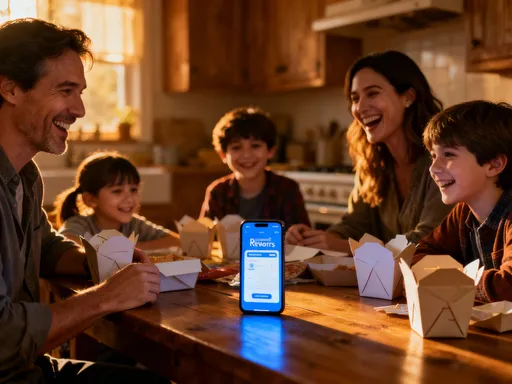
Technology only works when it becomes part of your routine. A delivery box is helpful on its own, but it becomes transformative when you build little rituals around it. One of the most powerful things I’ve done is create a “unbox moment” with my kids. As soon as the box arrives, we gather around the kitchen table. We open it together, pull out each item, and talk about what we see. “These cucumbers are so shiny!” “Smell this basil—it’s like summer in a leaf!” That five-minute ritual turns a transaction into a shared experience.
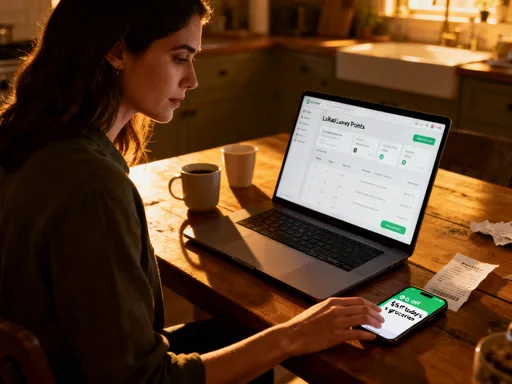
Then, I plan one meal each week that centers on the new produce. It could be a simple sheet-pan dinner, a colorful grain bowl, or a veggie-packed frittata. The goal isn’t to be fancy. It’s to use what we have and make it special. I also involve my older child in using the app. Together, we look at the upcoming delivery and pick one item she wants to help cook. “Can we roast the beets this week?” she asked last month. That simple choice gave her ownership—and made her more excited to eat them.
Over time, these small actions become habits. The delivery isn’t just a box. It’s the start of a rhythm. You begin to look forward to it. You plan around it. And in that consistency, you find calm. You’re not just feeding your family. You’re building a culture of curiosity, care, and connection—one delivery at a time.
More Than Just Veggies: How Small Tech Wins Build a Calmer Home
At the end of the day, a produce delivery box isn’t magic. It won’t solve every challenge of parenting or erase the chaos of daily life. But it does something quietly powerful: it removes friction. It takes one recurring source of stress and turns it into a moment of ease. And in that ease, something beautiful happens. You find space. Space to breathe. Space to listen. Space to be present with the people you love most.
These small tech-supported wins add up. They don’t make you a better parent by doing more. They make you a better parent by letting you be more—more patient, more joyful, more connected. When you’re not racing to the store, you’re home earlier. When you’re not worrying about dinner, you’re more present at the table. When your kids see you cooking with joy, they learn that food is more than fuel—it’s love, it’s learning, it’s time together.
So yes, this is about fresh vegetables. But it’s also about fresh starts. It’s about reclaiming your time, your energy, and your peace. It’s about building a home where meals aren’t a source of stress, but a source of connection. And it’s about knowing that you don’t have to do it all alone. With the right tools—simple, reliable, thoughtful—you can create a life that feels lighter, fuller, and more in sync with what matters most. One calm dinner. One shared moment. One delivered box at a time.