I’ll remember to check the oil — and other lies I stopped believing after smart car alerts saved my engine
You know that voice in your head saying, “I’ll remember to rotate the tires” or “I’ll schedule maintenance next week”? Yeah, I believed it too—until my car broke down on a rainy Tuesday. Since then, I’ve learned how simple tech can turn our cars from ticking time bombs into trusted road companions. It’s not about gadgets; it’s about peace of mind, fewer surprises, and protecting what matters—your time, your wallet, and your family’s safety. That day changed everything. And the fix wasn’t a new car. It was paying attention—to my car, to the signals, and to the small tools quietly helping me keep it all together.
The Moment It All Clicked: When Ignoring My Car Came Back to Haunt Me
It was 3:47 p.m. on a Tuesday in October. Rain was falling in thick, steady sheets, turning the commute home into a slow crawl. I was thinking about grocery pickup, soccer cleats left in the back seat, and whether I’d remembered to pack my daughter’s library book. And then, my minivan started shuddering. Not dramatically—just a subtle vibration at first, like it was clearing its throat. Then came the smell. That unmistakable, acrid scent of something overheating. The dashboard lit up like a Christmas tree: red oil light, yellow check engine, a warning symbol I didn’t even recognize. I pulled over on the shoulder, heart pounding, as cars whizzed past in the downpour.
I called roadside assistance with numb fingers. An hour later, a tow truck arrived. The mechanic later told me the oil level was critically low, and sludge had built up over months of skipped changes. The engine was damaged—not beyond repair, but the fix would cost over $1,200. What hurt more than the bill was the realization: I’d known. I’d meant to do it. I’d told myself, “I’ll remember,” and I didn’t. That moment shook me. Not because I’d ruined a machine, but because I’d put my family at risk. We’d been in that car just an hour before, with two kids in the back. What if the engine had seized at 50 miles per hour? What if we’d been on a highway, far from help?
That breakdown wasn’t just a mechanical failure. It was a wake-up call about how I was managing not just my car, but my life. I was juggling school schedules, work deadlines, meal planning, and household chores—and I’d made car maintenance the thing I “forgot” to remember. I’d treated my car like a silent partner, expecting it to just keep going, no matter what. But cars aren’t mind readers. They can’t tell us when they’re tired or stressed. They rely on us to listen—and to act. That rainy afternoon taught me I needed help. Not a mechanic on speed dial, but a system that wouldn’t let me overlook the small things until they became big problems.
From Forgetful to Fully Prepared: How Vehicle Maintenance Reminders Work in Real Life
After the repair, I made a promise: never again. But this time, I didn’t rely on sticky notes or my memory. I turned to technology—not the flashy kind, but the quiet, practical kind that works in the background. Most modern cars come with built-in maintenance reminder systems, and I finally took the time to understand how mine worked. It wasn’t complicated. My car tracks things like mileage, engine hours, and driving conditions. Based on that data, it calculates when services like oil changes, tire rotations, or brake inspections are due. And then—here’s the magic—it tells me. A simple message appears on the dashboard: “Oil Change Due Soon.” No guesswork. No calendar math. Just a clear, timely alert.
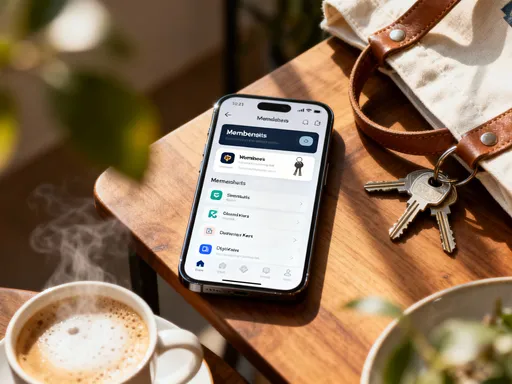
But I wanted more. I wanted reminders that reached me even when I wasn’t in the car. That’s when I discovered vehicle apps. My car brand has a companion app, and once I paired it with my phone, I started getting notifications. Not spammy ones, but useful nudges: “Oil change recommended in 500 miles” or “Tire pressure low in rear right.” I could even schedule service appointments directly through the app. No phone calls. No hold music. Just tap, confirm, and done. I also looked into third-party apps like Car Maintenance Reminder and MyCarFax, which work with almost any vehicle, even older models. You input your make, model, and service history, and the app creates a personalized maintenance calendar. It sends alerts to your phone and can sync with your digital calendar so you see reminders alongside your yoga class or your son’s dentist appointment.
The real game-changer was how seamlessly these alerts fit into my routine. I used to dread car maintenance because it felt like another chore to schedule, another hour I didn’t have. But with alerts, it became passive. I didn’t have to think about it. The system did the thinking for me. I got a notification on Monday morning: “Oil change due.” I booked it during my lunch break. Done. No stress. No last-minute panic. It wasn’t about becoming a car expert. It was about giving myself permission to be human—forgetful, busy, distracted—and still doing right by my family and my responsibilities.
No More Guesswork: Why “I’ll Remember” Is the Most Expensive Lie We Tell Ourselves
We all say it. “I’ll remember to check the tire pressure.” “I’ll replace the air filter next month.” “I’ll call about that strange noise later.” But “later” rarely comes. And the cost of that delay isn’t just financial—though that’s real enough. It’s emotional, too. It’s the guilt of knowing you could have prevented a problem. It’s the anxiety of wondering what else might be wrong. It’s the frustration of dealing with a breakdown when you’re already stretched thin.
Why do we keep believing this lie? Because we’re overwhelmed. As women, especially those of us raising families, we carry what psychologists call the “mental load”—the invisible work of managing everything: who needs what, when, and how. We remember birthdays, doctor’s appointments, permission slips, and laundry cycles. But car maintenance? It’s easy to push it down the list. It doesn’t scream for attention like a sick child or a work deadline. And so, it waits. Until it can’t.
I remember one fall, during back-to-school chaos, I kept meaning to rotate my tires. I’d read that it should be done every 6,000 to 8,000 miles. But with new schedules, supply shopping, and adjusting to early mornings, it slipped my mind. Six months later, I noticed uneven wear. The repair shop told me I’d lost at least 20% of my tire lifespan because of it. That was a $300 mistake I didn’t need. And it wasn’t because I didn’t care. It was because I was caring for so many other things.
Technology doesn’t eliminate busyness, but it does lighten the load. A simple alert takes the mental burden off my shoulders. It doesn’t judge me for forgetting. It doesn’t shame me for being busy. It just says, “Hey, this needs your attention.” And in that moment, I can act—calmly, deliberately, without panic. That shift from reactive to proactive isn’t just about car care. It’s about reclaiming control. It’s about knowing that even when life feels chaotic, I have tools that help me stay on track.
More Than Alerts: How Maintenance Tech Strengthens Family Safety and Daily Peace
Let’s be honest: we don’t maintain our cars just to avoid repairs. We do it because we love the people who ride in them. My minivan isn’t just a vehicle. It’s a mobile living room, a school shuttle, a road trip pod, a safe space where my kids laugh, argue, and fall asleep. Knowing it’s in good condition gives me a quiet confidence I didn’t have before.
Now, when I start the engine, I don’t just listen for strange noises. I check the dashboard for any warning messages. The app on my phone gives me a weekly summary: tire pressure, battery health, upcoming services. It’s not about fear. It’s about preparedness. When we load up for a weekend trip to visit Grandma, I don’t worry about breaking down on the highway. When I drop my son off at soccer practice in the rain, I don’t wonder if the brakes will hold on a slick road. That peace of mind is priceless.
And it extends beyond driving. My daughter once asked, “Mom, why does your phone keep dinging about the car?” I explained that it helps me take care of our van so it can keep us safe. She nodded and said, “Oh, like how we go to the doctor?” That hit me. Yes. Exactly like that. Just as we schedule checkups to stay healthy, we need to care for our car to keep it healthy. It’s preventive care for our most-used family tool. And when my kids see me responding to these alerts calmly and consistently, they’re learning something too: that responsibility isn’t about perfection. It’s about showing up, paying attention, and using the tools available to protect what matters.
That sense of security isn’t just emotional. It’s practical. Well-maintained vehicles are less likely to be involved in accidents caused by mechanical failure. They have better fuel efficiency, which saves money and reduces environmental impact. They last longer, which means fewer major purchases and less financial stress. And when something does go wrong, modern diagnostic systems help mechanics identify issues faster, reducing repair time and cost. It’s not about living in fear of breakdowns. It’s about living with confidence that you’ve done your part.
Making It Work for You: Simple Steps to Set Up and Trust Your Car’s Alerts
If you’re thinking, “This sounds great, but I’m not tech-savvy,” I get it. I felt the same way. But setting up maintenance alerts is easier than you think. Here’s how I did it, step by step.
First, I checked my car’s owner’s manual. It had a section on the maintenance reminder system. I learned how to reset it after each service and how to view upcoming alerts. Most modern cars have this feature enabled by default, but sometimes it needs a quick setup. I also made sure my car’s software was up to date—just like a phone, cars get updates that improve performance and features.
Next, I downloaded my car manufacturer’s app. I created an account, paired it with my vehicle using the VIN, and allowed notifications. Within minutes, I could see my car’s status: oil life at 32%, tire pressure normal, next service due in 1,200 miles. I also added it to my home screen so I’d see it every day.
Then, I synced the alerts with my calendar. The app lets me choose which notifications to forward. I selected oil changes, tire rotations, and brake inspections. Now, when a service is due, I get a phone alert and a calendar event. I even shared the calendar with my spouse so we’re both in the loop. No more “Did you schedule the oil change?” conversations.
For older cars without built-in systems, third-party apps work beautifully. I helped my sister set up Car Maintenance Reminder on her 2012 sedan. She entered her service history, set reminders for oil changes every 5,000 miles, and added notes about her last tire rotation. Now she gets alerts just like I do. She even set a monthly reminder to check fluid levels herself—a small habit that gives her confidence.
The key is consistency. After each service, I update the app or reset the dashboard reminder. It takes 30 seconds. But that small act keeps the system accurate and trustworthy. Over time, I learned to trust these alerts more than my memory. And that trust has paid off in fewer surprises, fewer expenses, and more confidence behind the wheel.
Beyond the Dashboard: How This Habit Changed My Approach to Life and Self-Care
Here’s something I didn’t expect: getting better at car maintenance didn’t just improve my driving experience. It changed how I take care of myself and my home. Once I got used to responding to timely reminders, I started applying the same logic elsewhere. I set up calendar alerts for my annual physical. I scheduled recurring checks for smoke detector batteries. I even started using a habit-tracking app to drink more water and take my vitamins.
It wasn’t about becoming super-organized. It was about recognizing that I don’t have to remember everything. I could outsource the mental load to tools that help me stay consistent. And in doing so, I became kinder to myself. I stopped beating myself up for forgetting things. Instead, I focused on building systems that support me.
That shift in mindset spilled over into other areas. I started planning home repairs before they became emergencies—like sealing windows before winter or cleaning gutters in the fall. I became more proactive about my health, not waiting for symptoms to act. And I noticed that my kids started adopting similar habits. My son uses a homework app with reminders. My daughter checks a chore chart on the fridge. We’re all learning that care isn’t about doing everything at once. It’s about small, consistent actions that add up.
Taking care of my car became a metaphor for taking care of my life. It taught me that responsibility isn’t a burden—it’s an act of love. Love for my family, for my home, and for myself. And sometimes, the best way to show that love is to set a reminder and follow through.
The Quiet Power of Small Tech: Why Peace of Mind Is the Real Upgrade
Looking back, I realize I didn’t need a miracle to change my relationship with my car. I needed a nudge. A simple, well-timed alert that said, “Hey, it’s time.” That small moment of awareness has saved me money, stress, and time. But more than that, it’s given me something deeper: peace of mind.
We don’t need flashy gadgets or complex systems to improve our lives. Often, the most powerful tools are the quiet ones—the ones that work in the background, without fanfare, helping us stay on top of what matters. A maintenance alert isn’t just about oil changes. It’s about respect—for our vehicles, for our time, and for the people who depend on us.
It’s easy to overlook the small things until they become big problems. But technology, when used wisely, helps us close that gap. It doesn’t replace our judgment. It supports it. It doesn’t make us less capable. It makes us more confident. And in a world that often feels overwhelming, that confidence is a gift.
So if you’re still telling yourself, “I’ll remember,” I get it. I did too. But I also know the cost of that promise. Let your car tell you when it’s time. Let technology help you show up. Because caring for your car isn’t just about maintenance. It’s about protecting your peace, your family, and your everyday joy. And that’s a reminder worth listening to.